What to Eat and What to Avoid in Pregnancy? A Complete Pregnancy Diet Guide
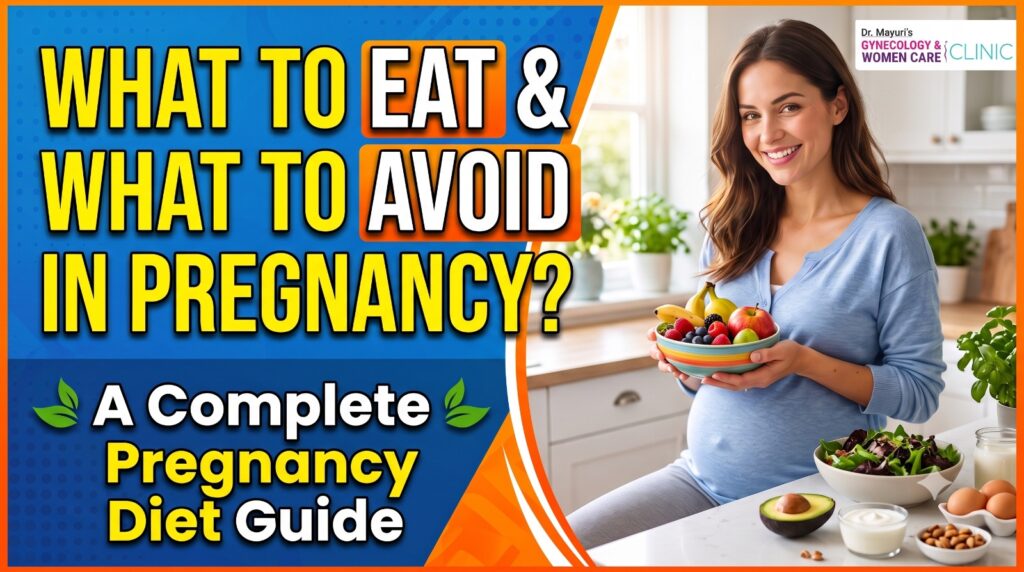
Pregnancy is one of the most important phases of a woman’s life, and what you eat during this time directly affects both your health and your baby’s development. Many expecting mothers are unsure about which foods are safe, which ones to limit, and which ones to avoid completely. This guide covers everything — from the best nutrient-rich foods for a healthy pregnancy to the foods you should stay away from, along with practical tips to keep in mind at every meal.
What Should You Eat During Pregnancy?
A balanced pregnancy diet should focus on foods that supply protein, calcium, folate, and adequate hydration — all essential for your baby’s growth and your own wellbeing.
1. Dairy Products
Milk, cheese, and egg whites are excellent sources of protein, calcium, magnesium, phosphorus, and vitamin B. These nutrients play a key role in your baby’s bone development and your own nutritional needs during pregnancy.
Important precaution: Never consume dairy products raw or unpasteurized. Milk should always be boiled properly, and eggs should be fully cooked before eating.
2. Curd and Buttermilk
Curd (yogurt) contains probiotic bacteria that support healthy digestion — something many pregnant women struggle with due to hormonal changes.
There’s a common myth that curd or buttermilk should be avoided during pregnancy. In reality, both are quite beneficial and completely safe to consume when taken as part of a normal diet.
3. Legumes and Pulses
Peas, soybeans, chickpeas, and peanuts are rich in protein and folic acid (folate). Folate is especially important because it directly supports the brain and neurological development of the baby, particularly in the early weeks of pregnancy.
4. Sweet Potato
Sweet potatoes contain plenty of beta-carotene, which your body changes into vitamin A — a key nutrient for your baby’s eyes, skin, and developing organs. They are also rich in fibre, helping support digestion throughout pregnancy.
5. Fish and Seafood
Fish and seafood (the low-mercury varieties) are excellent sources of omega-3 fatty acids and protein, which support the baby’s brain and eye development. It’s best to choose smaller fish and avoid the high-mercury varieties covered later in this guide.
6. Green Leafy Vegetables
Green veggies like spinach, methi, and other leafy greens are packed with iron, folate, and fibre. Iron helps prevent pregnancy-related anemia, while folate continues to support the baby’s neurological development.
7. Well-Cooked Meat
Fully cooked meat is a good source of protein and iron, both essential for the baby’s growth and for maintaining the mother’s energy levels. As with all non-vegetarian food during pregnancy, meat should always be cooked thoroughly.
8. Fish Liver Oil
Fish liver oil contains vitamin A, vitamin D, and omega-3 fatty acids, making it a source of these important nutrients. It can support bone health and immunity, but since vitamin A can be harmful in excess during pregnancy, it should only be taken in the amount advised by your doctor.
9. Whole Grains
Whole grains such as oats, brown rice, and whole wheat provide fibre, B vitamins, and steady energy. They help manage blood sugar levels better than refined grains and also support healthy digestion.
10. Dry Fruits
Almonds, walnuts, dates, and other dry fruits are good sources of healthy fats, iron, calcium, and energy. They make for a convenient, nutrient-dense snack option during pregnancy, though they should be eaten in moderate portions.
11. Water and Hydration
Proper hydration is just as important as food during pregnancy:
- Aim for at least 3 litres of fluids daily.
- Along with plain water, you can include coconut water, buttermilk, and fresh fruit juices in your daily intake.
- Staying well-hydrated helps prevent common pregnancy issues like constipation and urinary tract infections (UTIs).
Foods to Avoid During Pregnancy
While certain foods support a healthy pregnancy, others can pose risks to both mother and baby and should be avoided or strictly limited.
1. High-Mercury Fish
Fish is a good source of omega-3 fatty acids, but large fish such as shark and swordfish contain high levels of mercury. Excess mercury exposure can harm the baby’s nervous system, immune system, and overall development, so these should be avoided during pregnancy.
2. Undercooked Meat
Meat should always be cooked thoroughly before eating. Undercooked or raw meat can carry harmful bacteria and parasites, increasing the risk of serious infections during pregnancy.
3. Raw Eggs
Eggs are a great source of protein, but they should always be boiled or fully cooked. Raw eggs carry a risk of Salmonella bacteria, which can cause vomiting, diarrhea, fever, and food poisoning. This also means avoiding ice creams or cakes made with raw egg preparations.
4. Limit Caffeine Intake
You don’t need to completely give up tea or coffee, but caffeine intake should be limited to around 200 mg per day (roughly 2-3 cups). Excess caffeine crosses the placenta and reaches the baby, whose body isn’t able to metabolize it efficiently, which can affect fetal growth.
5. Processed and Junk Food
Foods made from refined flour — such as biscuits, namkeen, pizza, pasta, and burgers — should be avoided as much as possible.
- These foods have a high glycemic index, causing sudden spikes in blood sugar while offering little to no nutritional value.
- Regular junk food consumption can lead to excessive weight gain, increasing the risk of gestational hypertension (high BP) and gestational diabetes during pregnancy.
6. Raw Sprouts
Raw sprouts (like moong or alfalfa sprouts) can carry harmful bacteria such as E. coli or Salmonella, since bacteria can grow inside the sprout during germination and aren’t removed by washing alone. It’s safer to eat sprouts only after cooking them thoroughly during pregnancy.
7. Unwashed Fruits and Vegetables
Fruits and vegetables can carry soil, pesticide residue, and harmful bacteria like Toxoplasma and Listeria on their surface. Always wash and clean them properly before eating or cooking to reduce the risk of infection.
8. Raw or Unpasteurized Milk
Raw or unpasteurized milk can contain harmful bacteria such as Listeria, Salmonella, and E. coli, which can lead to serious infections during pregnancy. Only pasteurized milk, boiled thoroughly before drinking, should be consumed.
9. Alcohol
Alcohol should be completely avoided during pregnancy. Alcohol reaches the baby through the placenta and may interfere with brain and organ development. No amount of alcohol has been proven to be “safe” during pregnancy.
Quick Pregnancy Diet Checklist
Safe to Include:
- Boiled milk, cheese, and well-cooked eggs
- Curd and buttermilk
- Legumes like peas, soybeans, chickpeas, and peanuts
- Sweet potato, green leafy vegetables, and whole grains
- Low-mercury fish/seafood and well-cooked meat
- Fish liver oil (in doctor-advised amounts) and dry fruits
- Coconut water, fresh fruit juices, and plenty of plain water
Best to Avoid or Limit:
- High-mercury fish (shark, swordfish)
- Undercooked or raw meat
- Raw eggs and foods made with them
- Raw sprouts and unwashed fruits/vegetables
- Raw or unpasteurized milk
- Drinking too much caffeine (more than 2–3 cups daily)
- Processed and refined-flour junk food
- Alcohol
Why Does Nutrition Matter During Pregnancy?
The foods you eat during pregnancy directly influence your baby’s brain development, immune strength, and birth weight, while also affecting your own energy levels, digestion, and risk of complications like gestational diabetes or high blood pressure. A well-balanced diet, combined with proper hydration and food safety practices (like avoiding raw or undercooked foods), forms the foundation of a healthy pregnancy.
FAQs: Pregnancy Diet Questions
Q1. Is it safe to eat curd during pregnancy?
Yes, curd can safely be consumed during pregnancy and offers health benefits. Its probiotics can help promote healthy digestion. The idea that curd should be avoided during pregnancy is a myth.
Q2. How much water should I drink during pregnancy?
At least 3 litres of fluids per day is recommended, including water, coconut water, buttermilk, and fresh fruit juices.
Q3. Can I drink tea or coffee during pregnancy?
Yes, but caffeine should be limited to around 200 mg per day (about 2-3 cups). Excess caffeine can affect the baby, since it isn’t metabolized efficiently by the fetus.
Q4. Why should raw eggs be avoided during pregnancy?
Eating raw eggs can expose you to Salmonella, an infection that may cause vomiting, diarrhea, and fever. Eggs should always be fully cooked before eating.
Q5. Why is junk food harmful during pregnancy?
Foods made with refined flour and heavily processed ingredients often have a high glycemic index and low nutritional value. Eating them regularly may raise the chances of excess weight gain, gestational diabetes, and high blood pressure.
Conclusion
Eating well during pregnancy does not mean placing yourself under strict food restrictions — it means choosing foods wisely and staying informed. Including nutrient-dense foods like dairy, curd, legumes, and plenty of fluids, while avoiding high-risk foods like undercooked meat, raw eggs, and excess junk food, can significantly support a smooth and healthy pregnancy. Every pregnancy is different, so if you have specific health conditions or dietary concerns, it’s always best to get a diet plan tailored to your needs.
Have questions about your pregnancy diet or need a personalized nutrition plan? Consult Dr. Mayuri Kothiwala for expert guidance through every stage of your pregnancy. Book your appointment today.
